
Articles
Pharmacology Every Technician Anesthetist Must Know
In this essential Vetpocket™ article, Kelsey Marriott, BS, AAS, CVT guides technician anesthetists through the vital drug protocols needed to optimize patient safety and improve anesthetic outcomes. Covering everything from opioids to induction agents, this comprehensive overview is a must-read for veterinary professionals!

The RECOVER 2026 First Aid Guidelines for Dogs and Cats: A Summary
In this Vetpocket™ article, Dr. Danelia de Kock introduces one of the newest RECOVER guidelines: First Aid Guidelines for Dogs and Cats. Discover the key critical care emergencies covered in these essential guidelines.
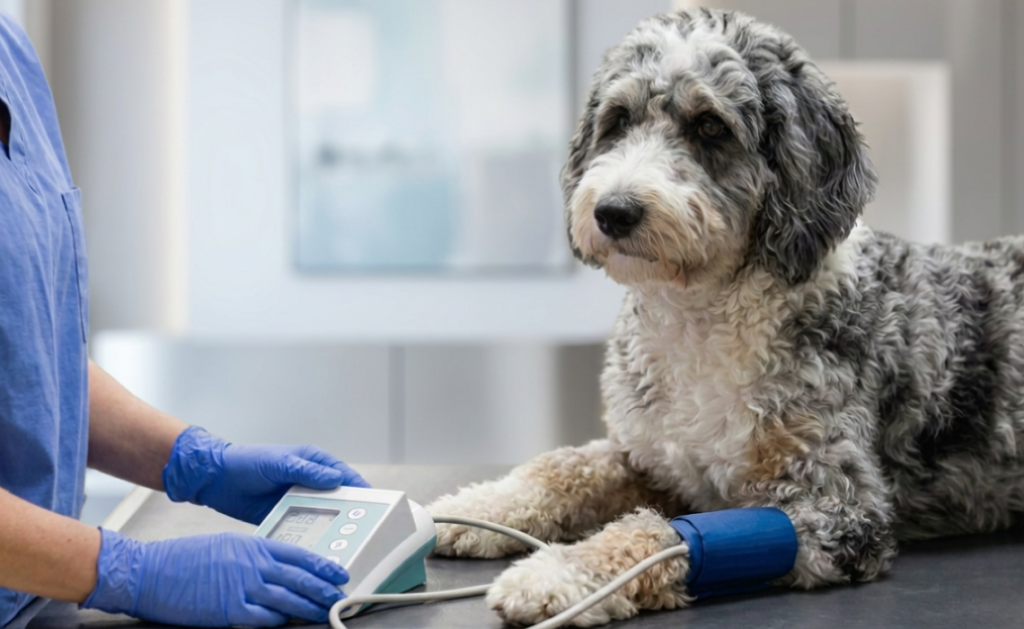
When Pressure Becomes the Problem: Recognizing and Managing Blood Pressure Extremes in Dogs and Cats
In this Vetpocket™ article, Kelsey Marriott, BS, AAS, CVT explains systemic hypertension and hypotension in dogs and cats. Her article explores their underlying causes, clinical signs, accurate measurement techniques, treatment options, and relevant reference ranges for clinical monitoring.

A Comprehensive Guide to Understanding IV Fluid Therapy in Dogs and Cats, Part 4: What are the Types of Fluid Disturbances?
Join Dr. Danelia de Kock in this Vetpocket™ article as she explores the different types of fluid disturbances within the body. Review the key changes in body volume, content, and distribution.
Dear New Grad: A Series; The Art of Veterinary Medicine (Part 4 of 8)
Discover how to navigate real-world clinical challenges in part 4 of our 8-part Vetpocket™ mentorship series. In this article, Dr. Catherine Ashe concludes the case study of Penny by sharing her clinical approach to pyometra. She provides practical insights on managing treatment options when an owner has a limited budget.
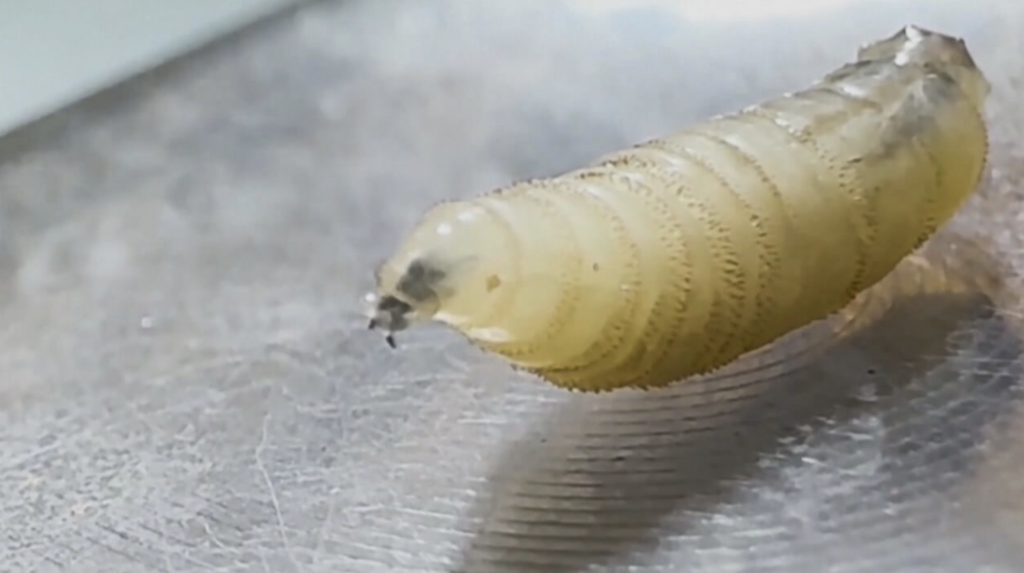
New World Screwworm Quick Facts
This Vetpocket™ article features Dr. Danelia de Kock sharing key insights on the resurgence of the New World Screwworm (NWS), a serious infestation. Read through to the very end to discover the conditionally approved or emergency use authorized drugs recommended for treating and/or preventing NWS in dogs and cats.
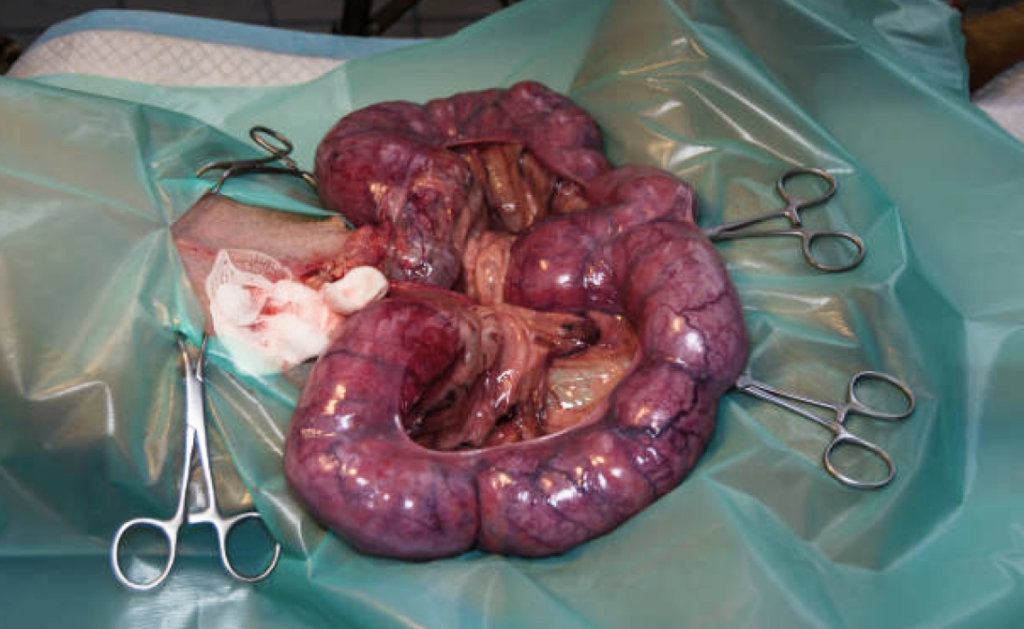
Canine Cystic Endometrial Hyperplasia-Pyometra Complex
In this Vetpocket™ article, Dr. Shadi Ireifej provides essential pathophysiology, risk factors, diagnostics, treatment options, and more for canine cystic endometrial hyperplasia-pyometra complex (pyometra) in dogs. Pyometra is a critical veterinary emergency requiring rapid stabilization and surgical intervention.
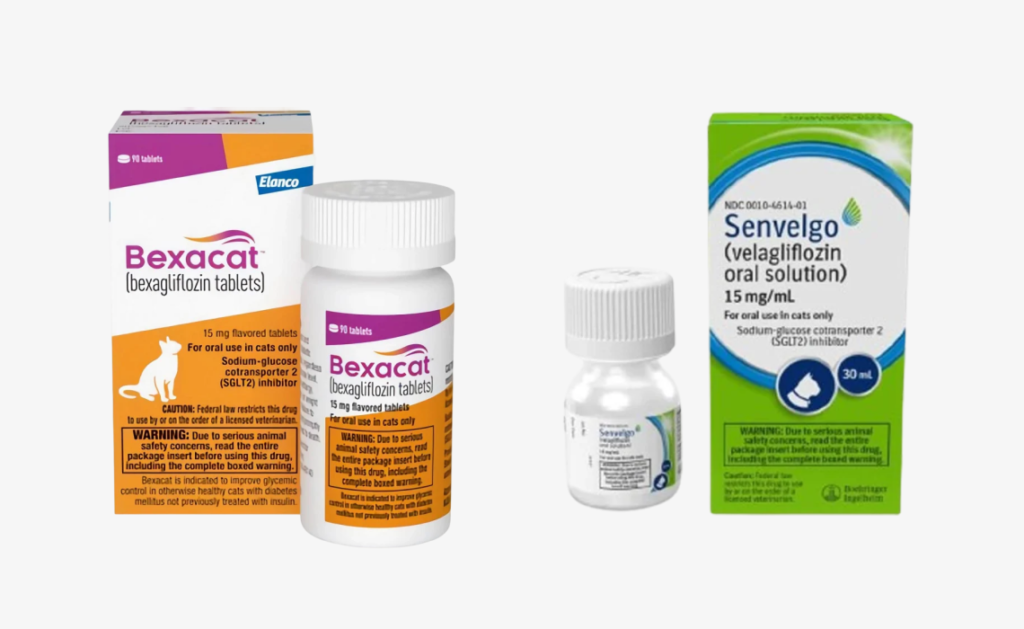
A General Practitioner’s Key Practical Takeaways from the: 2026 AAHA Diabetes Management Guidelines for Cats
In this Vetpocket™ article, Dr. Danelia de Kock discusses her key takeaways regarding the new oral diabetes mellitus drug option in cats. This is a must-read update for our diabetic feline patients!
Dear New Grad: A Series; The Art of Veterinary Medicine (Part 3 of 8)
In this Vetpocket™ article, part 3 of our 8-part mentorship series, Dr. Catherine Ashe explores the practical realities of veterinary medicine. She details her professional approach to navigating cases where financial resources are limited - a situation frequently encountered in daily clinical practice.

A Comprehensive Guide to Understanding IV Fluid Therapy in Dogs and Cats, Part 3: How do Water and Solutes Move?
In this Vetpocket™ article, Dr. Danelia de Kock breaks down the various mechanisms used to help achieve and maintain homeostasis as it pertains to water and solute movement within the body. These mechanisms include Starling's law of the capillary, osmosis, passive transport (simple and facilitated diffusion), as well as active transport.
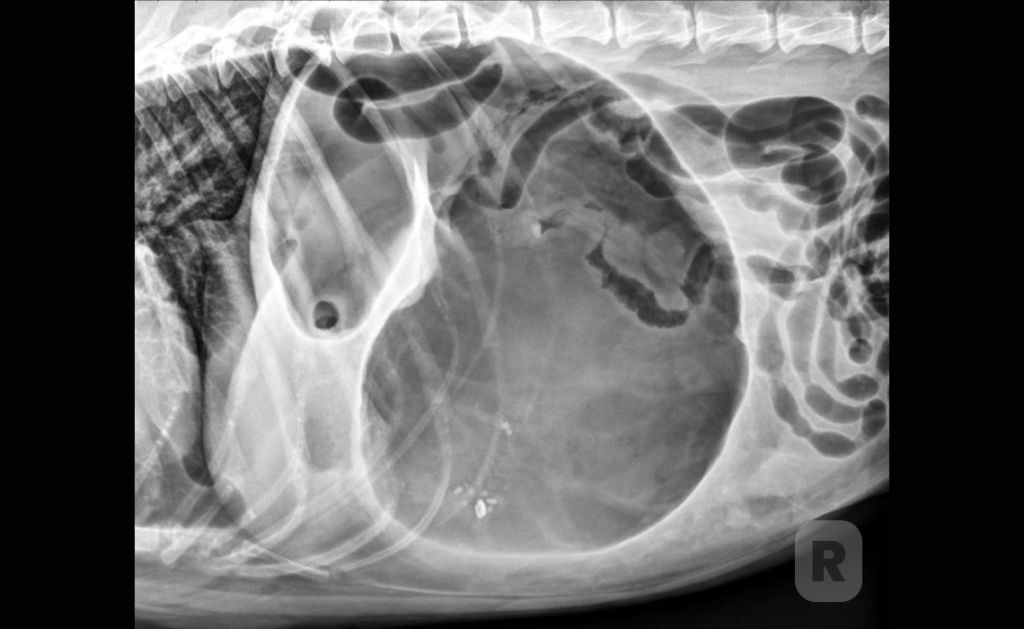
Gastric Dilatation-Volvulus Syndrome in Dogs
In this Vetpocket™ article, Dr. Shadi Ireifej provides essential pathophysiology, risk factors, breed predispositions, radiography, surgical approaches, surgical survival rates, and more for gastric dilatation-volvulus (GDV) syndrome in dogs. GDV is a critical veterinary emergency requiring rapid stabilization and surgical intervention.
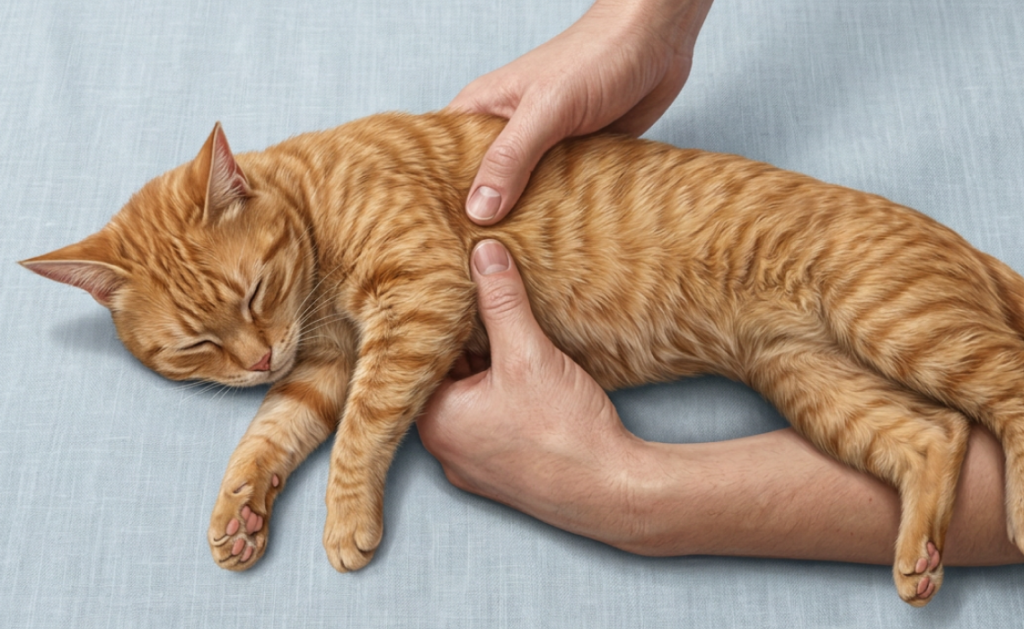
Cardiopulmonary Resuscitation (CPR) in Dogs and Cats – Part 1: Basic Life Support (BLS)
In this Vetpocket™ article, Dr. Danelia de Kock walks you step-by-step through the basic life support (BLS) part of cardiopulmonary resuscitation (CPR) in dogs and cats. From chest compressions, airway management, ventilation, patient positioning, compression points, and more, this article can help you save a life! These recommendations are based on the 2024 RECOVER guidelines.