


As veterinary professionals, one of the most common questions pet owners ask us when their pet has an emergency is: “What steps should I take before arriving at the hospital?” Sometimes the answer is easy, but other times it is more challenging – we may also be hesitant to give advice over the phone, particularly since there has been a lack of evidence-based prehospital guidelines for us to rely on.
This lack of standardized prehospital guidelines can create significant uncertainty during high-stress triage situations. When a distraught pet owner calls, providing clear, actionable, and safe instructions is vital to ensuring patient stability and optimizing triage efficiency before the pet reaches the hospital doors.
Crucial prehospital guidance and actionable advice for common critical care emergencies is a very helpful tool to have at the ready.
By establishing clear protocols and empowering veterinary team members with consistent, evidence-based triage guidelines, veterinary hospitals can significantly improve patient outcomes and help alleviate distress for both pets and their owners during critical care emergencies.
To help address this issue, the Reassessment Campaign on Veterinary Resuscitation (RECOVER) initiative – the leading authority in evidence-based veterinary cardiopulmonary resuscitation (CPR) research, guidelines, and training – has published one of its latest guidelines: the RECOVER 2026 First Aid Guidelines. These guidelines deliver comprehensive prehospital recommendations designed for pet owners and veterinary professionals alike, and are the first evidence-based and consensus-based guidelines for providing first aid to dogs and cats in a prehospital setting, addressing 38 treatment recommendations covering 10 critical care emergencies.
First aid refers to initial care provided in a prehospital setting – typically by non-medical professionals – prior to a pet arriving at a veterinary hospital. First aid begins when an owner or bystander recognizes that there is a problem. The primary goal of first aid is to preserve life, prevent the condition from worsening, minimize pain and distress, and ensure safe transportation to a veterinary hospital.
Key steps in delivering effective first aid include:
- Assessment and Safety: Ensure the environment is safe for both the pet and the owner. Injured or frightened animals may react aggressively out of pain or fear, so proper restraint or muzzling may be required before administering assistance.
- Stabilization: Address immediately life-threatening issues such as airway obstruction, severe hemorrhaging, or respiratory distress. Basic techniques including applying direct pressure to bleeding wounds and maintaining an open airway.
- Triage and Transport: Promptly contact a veterinary hospital to alert them of the situation and receive specific guidance. Transport the pet as gently and securely as possible to prevent further trauma during transit.
The RECOVER 2026 First Aid Guidelines include comprehensive step-by-step first aid treatment recommendations for a wide range of critical care emergencies such as:
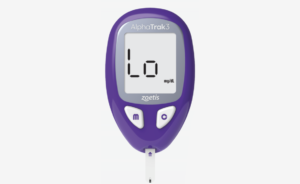
- Hypoglycemia
- Non-caustic toxin ingestion
- Heat-related illness and heat stroke
- Thermal burns
- Chemical burns
- Respiratory distress or hypoxemia
- Choking or airway obstruction
- Bystander CPR for cardiopulmonary arrest
- Naloxone for suspected opioid exposure
- Tourniquet for severe external limb bleeding
Also featured in the guidelines is the RECOVER General First Aid “Recognize and Act” algorithm, a comprehensive decision-making tool designed to help individuals quickly identify life-threatening conditions. By systematically outlining critical care emergency clinical signs in dogs and cats, it offers clear, step-by-step prehospital action plans. This helps empower pet owners, first responders, and bystanders to intervene safely and effectively in specific emergencies prior to arrival at a veterinary hospital.
Follow-up Vetpocket articles will cover each critical care emergency listed above, one at a time, providing detailed insights into recognition, immediate intervention, and step-by-step management strategies to ensure prompt and effective prehospital care.
Note that there is also a dedicated RECOVER companion paper specifically focusing on allergy and anaphylaxis: RECOVER Guidelines: First Aid. Evidence, Treatment Recommendations, Knowledge Gap Analysis, and Clinical Guidelines for Acute Allergy and Anaphylaxis in Dogs and Cats. https://onlinelibrary.wiley.com/doi/10.1111/vec.70137 .
References
D. C. Mandell, V. J. Thawley, J. M. Burkitt-Creedon, D. J. Fletcher, M. Boller, and E. Fausak, “ RECOVER Guidelines: First Aid for Dogs and Cats. Clinical Guidelines.” Journal of Veterinary Emergency and Critical Care 36, no. S1 (2026): S36–S62.
J. M. Burkitt-Creedon, D. C. Mandell, V. J. Thawley, et al., “RECOVER Guidelines: First Aid. Evidence, Treatment Recommendations, Knowledge Gap Analysis, and Clinical Guidelines for Acute Allergy and Anaphylaxis in Dogs and Cats,” Journal of Veterinary Emergency and Critical Care 36, no. S1 (2026): S63–S89.