

Introduction
Diabetes mellitus (DM) is an endocrine disease characterized by the body’s inability to appropriately regulate blood glucose (BG) levels, leading to hyperglycemia.
Hyperglycemia is defined as a BG concentration that is elevated above the normal reference interval.
In cats, hyperglycemia is identified when the BG concentration exceeds approximately 150 mg/dL (8.3 mmol/L).
While elevated BG concentration defines the condition, clinical signs usually emerge only after the renal threshold is surpassed, which is approximately 250 to 300 mg/dL (13.9 to 16.7 mmol/L) in cats, causing glucose to spill over in the urine.
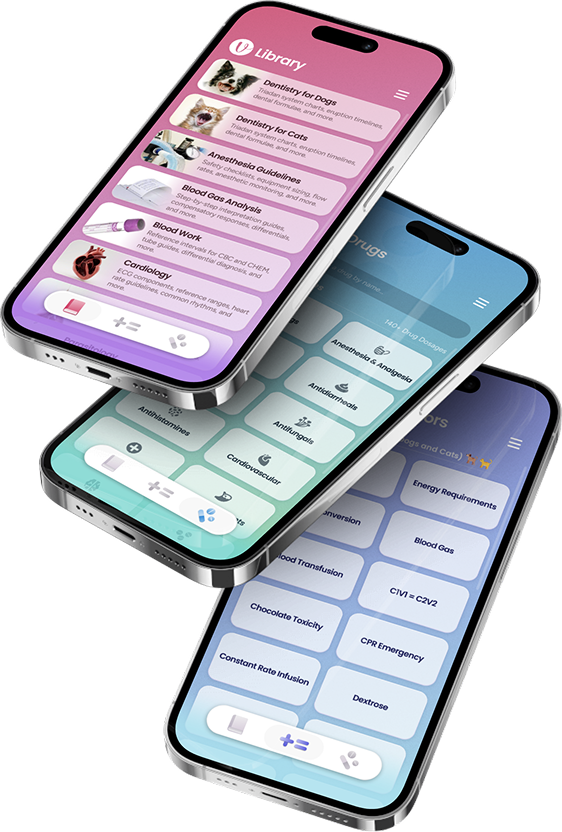
DM is a common endocrine disease in cats that can result in mortality if left untreated. See the Vetpocket™ app for more detailed DM information – found in the Endocrinology section of our app.
Risk Factors
Middle-aged to older male cats face an increased risk of developing DM, with contributing factors including obesity and decreased activity levels.
Diagnosis
Diagnosing DM can be challenging, particularly since a single elevated BG concentration does not definitively diagnose the disease.
DM diagnoses involves identifying key clinical signs such as polyuria, polydipsia, weight loss, polyphagia, alongside evidence of glucosuria and persistent fasting hyperglycemia in a non-stressed cat.
Additional diagnostics include fructosamine levels and A1C concentrations.
It is essential to exclude other differential diagnoses, particularly those that may cause insulin resistance and interfere with treatment response.
It is also essential to account for the fact that cats are particularly prone to stress-induced hyperglycemia.
Clinical signs of DM can initially be subtle.
Early recognition of DM is critical in helping achieve a more favorable treatment outcome.
Treatment and Management
For most cats with DM, successful management is attainable despite the inherent complexity of the disease.
The treatment goals are the same for all cats:
- improved glycemic control,
- reduction of clinical signs,
- avoidance of hypoglycemia,
- and improved quality of life.
Tight glycemic control is not always possible in cats.
Diabetic remission is possible in some cats, particularly with early recognition and early treatment initiation.
To achieve long-term success, consistent follow-up, ongoing monitoring, and clear communication with clients are essential.
For cats receiving insulin treatment, remember to monitor the cat and not just the numbers. Often, resolution of clinical signs and a cat who is feeling well are good indicators of diabetic regulation.
Although DM is a lifelong disease, affected cats can maintain a high quality of life, with some even achieving disease remission.
2018 vs 2026 Guidelines
Expanding upon the 2018 data, the 2026 AAHA Diabetes Management Guidelines for Cats integrate the latest clinical findings and specialist insights.
This comprehensive update covers feline pathophysiology and diagnostics while offering detailed protocols for managing patients on insulin or sodium-glucose cotransporter 2 (SGLT2) inhibitor drugs, as well as guideline recommendations for exercise, nutrition, at-home glucose monitoring, and more.
Key 2026 Updates Include:
- Species-specific management: The updated guidelines tailor care to the species by providing a comprehensive overview of DM pathophysiology and species-specific aspects of the disease in cats, distinguishing/separating cats from dogs. It also covers how to diagnose and treat DM in cats, as well as how to identify and manage at-risk cats.
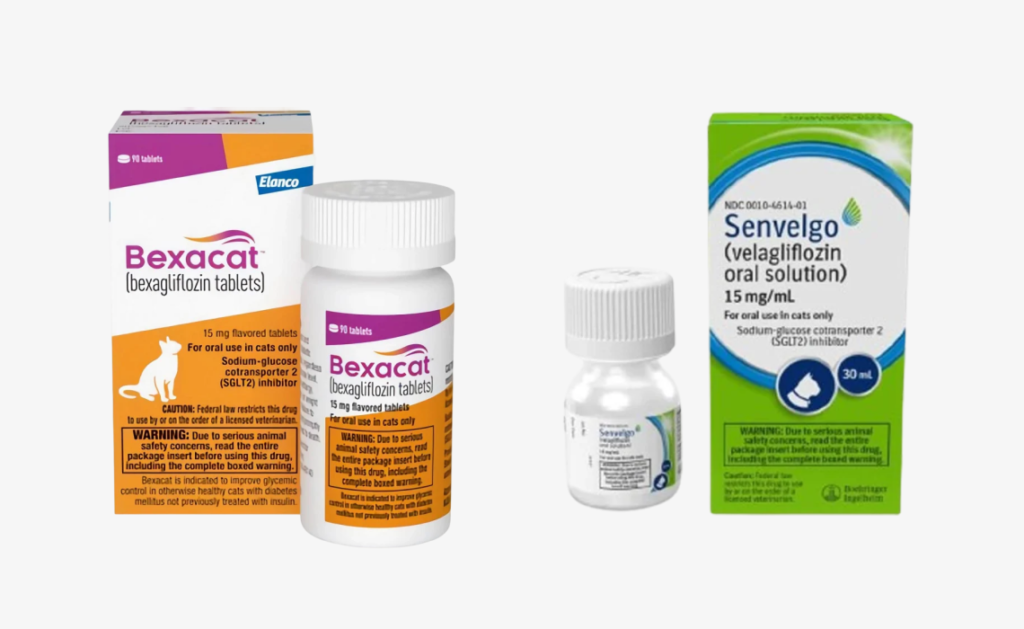
- A new non-insulin, non-injectable treatment option: SGLT2 inhibitor drugs, e.g. Bexacat and Senvelgo, are now licensed for use in the United States for newly diagnosed DM cats who are otherwise healthy (stable, eating and drinking well, are well-hydrated, and do not have any comorbidities). Not every cat is a suitable candidate for these drugs, and not all patients require identical treatment. Some require insulin administration, while others can be managed with SGLT2 inhibitor drugs. Careful patient selection is required. If the patient is ill and/or has significant comorbidities, then that patient is not a suitable candidate for SGLT2 inhibitor drugs, and it is recommended to instead treat the patient using insulin. SGLT2 inhibitor drugs are administered orally once daily. Operating independently of insulin, these drugs function by inhibiting the reabsorption of glucose within the renal proximal convoluted tubules. By preventive the kidneys from returning glucose to the bloodstream, they facilitate glucose excretion through the urine, thereby effectively reducing BG concentrations. This helps reverse glucose toxicity and allows for beta cell recovery. Because insulin is necessary in the face of ketosis, ruling out DKA before use is essential. Prior to administration, check blood beta-hydroxybutyrate levels, as this is the primary ketone body formed during feline DKA. Euglycemic DKA (DKA without elevated glucose) is possible with these drugs, and is most likely to occur during the first 2 weeks of treatment; therefore, blood beta-hydroxybutyrate monitoring is essential during this 2-week period. The only ketone meter that is valid for cats is The Precision Xtra. If blood ketones are increased and the patient is not eating well, then discontinue the drug and transition over to insulin.
- Starting insulin dosages have been simplified. The 2018 guidelines recommended a glargine insulin starting dosage based on patient body weight and patient BG readings that required some calculations – added medical math (which I do love, but makes for a little more work)! Instead, the updated guidelines’ recommendation for insulin in most cats are glargine U-100 or PZI at a starting dosage of:
- 1 unit per cat SC every 12 hours regardless of BG at diagnosis.
- Recheck the patient every 5 to 7 days (sooner if needed based on clinical signs), and adjust the insulin dosage as indicated based on the continuous BG monitor data and patient clinical signs.
- Note that most cats will be regulated on < 4 units of insulin twice daily.
- In-hospital BG curves are no longer recommended for routine DM monitoring in cats. This is due to cats being much more prone to developing stress-induced hyperglycemia, particularly in a hospital setting.
- Continuous BG monitoring is now the recommended monitoring modality of choice. Due to stress-induced hyperglycemia, BG readings are unreliable in cats in hospital settings, and do not reliably reflect what is happening at home. Therefore, the updated guidelines recommend placing a continuous BG monitor (e.g. FreeStyle Libre) at the first recheck appointment at 5 to 7 days. Continuous BG monitors are making at-home tracking much easier.
- Clearer remission numbers and goals. Diabetic remission numbers: ~25% of cats that achieve remission do so within the first 2 to 3 months of diagnosis, while > 50% do so within 6 months. These numbers indicate that early monitoring is critical, particularly during the first 3 to 6 months of diagnosis and treatment initiation. Monitor for indications to reduce insulin dosages. Remission is more likely if the cause of DM is reversible (e.g. obesity or recent steroid use).
The 2026 updated guidelines contain much more than discussed in this article – please go give the guidelines a read, it really is jam-packed with great information!
References
Bugbee A, Rucinsky R, Alvarez E, Cook A, Lathan P, Panning C. 2026 AAHA Diabetes Management Guidelines for Cats. Journal of the American Animal Hospital Association. 2026; 62:65-93. DOI 10.5326/JAAHA-MS-7572