

Introduction
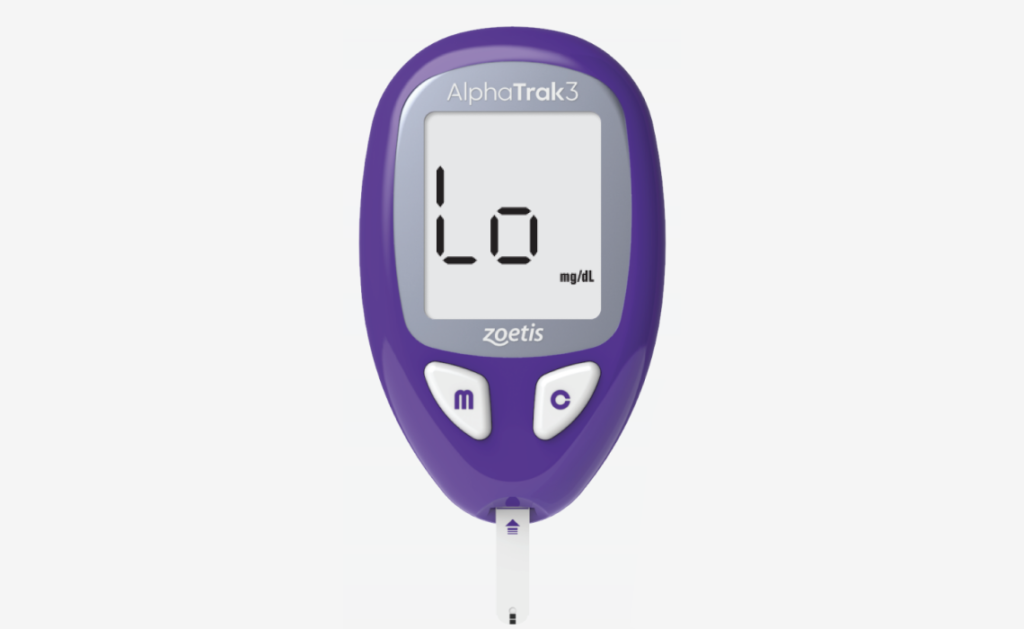
Hypoglycemia is defined as an abnormally low blood glucose concentration (< 60 mg/dL or < 3.33 mmol/L), a condition that can become life-threatening if severe or prolonged.
The estimated reference range for normal blood glucose concentration is 70 to 125 mg/dL (3.89 to 6.94 mmol/L) in adult dogs and 70 to 150 mg/dL (3.89 to 8.33 mol/L) in adult cats. Keep in mind that stress can influence concentrations.
Hypoglycemia Causes Include
- Iatrogenic (e.g. insulin overdose) *COMMON CAUSE*
- Insufficient caloric intake in neonatal puppies and kittens *COMMON CAUSE*
- Physiologic demands during pregnancy and labor
- Insulinoma
- Paraneoplastic syndromes resulting from insulin-like factor secretion
- Toxicosis (e.g. xylitol ingestion in dogs)
Hypoglycemia Clinical Signs Include
- Lethargy
- Obtundation
- Ataxia
- Abnormal mentation
- Weakness
- Vomiting
If severe or prolonged hypoglycemia:
- Metabolic shock
- Seizures
- Collapse
- Coma
- Cardiopulmonary arrest (CPA)
- Death
FARA Algorithm
The RECOVER First Aid “Recognize and Act” (FARA) Algorithm provides guidance on evaluating and addressing pet emergencies in a prehospital setting by detailing clinical signs and their corresponding first aid intervention recommendations.
The below steps outline the FARA Algorithm as it applies to hypoglycemia:
Step 1: Initial Observation: Pet is poorly responsive
Step 2: Action: Stimulate the pet – perform a “shake and shout”
Step 3: Check Response: Determine if pet responds to the stimulus
- If Poorly Responsive Or No Response: Verify if pet is breathing
- If Pet is Not Breathing: Immediately start cardiopulmonary resuscitation (CPR) and transport the pet to the nearest open veterinary hospital
- If Pet is Breathing: Determine whether there is a concern for hypoglycemia
- If Hypoglycemia is Suspected: Provided it is safe to do so and there is no danger of being bitten, apply a viscous simple carbohydrate (e.g. corn syrup, maple syrup, or honey) directly to the mucous membranes, then immediately transport the pet to the nearest open veterinary hospital
Hypoglycemia Treatment Recommendations
Before administering first aid, assess the surrounding environment, the safety of the situation, and the caregiver or bystander’s skill level. Safety is particularly critical with animals, as those experiencing pain or fear are more likely to act aggressively and bite; under such circumstances, first aid should not be attempted.
For a dog or cat with asymptomatic hypoglycemia (as confirmed by glucometer or continuous glucose monitor) in a prehospital setting, feeding dietary carbohydrates (e.g. pet food) is recommended. If blood glucose concentration fails to return to normal within 20 minutes of feeding or if clinical signs appear, the pet should be transported to the nearest open veterinary hospital.
For a dog or cat with confirmed or suspected symptomatic hypoglycemia without active seizures in a prehospital setting, it is recommended to apply a viscous simple carbohydrate (e.g. corn syrup, maple syrup, or honey) directly to the mucous membranes. The ideal application site is the buccal mucosa between the cheek and maxillary premolars/molars. This measure should only be performed if it is safe to do so, and if it does not cause delay in transporting the pet to the nearest open veterinary hospital.
For a dog or cat with active seizures in a prehospital setting, avoid oral or mucosal administration of any substance. Instead seek immediate veterinary care.
If administering treatment in a prehospital setting poses a safety risk to the caregiver or bystander, avoid oral or mucosal administration of any substance, and instead seek immediate veterinary care.
The Viscous Simple Carbohydrate Dose
When a pet is not actively seizing, no safety risk to the caregiver or bystander exists, and transport to an open veterinary hospital will not be delayed, the RECOVER guidelines advise applying a viscous simple carbohydrate (e.g. corn syrup, maple syrup, or honey) to the buccal mucosa between the cheek and maxillary premolars/molars. The target dose is 0.2 to 10 mL – scaled to patient size, up to roughly ~2 teaspoons – aiming to thoroughly cover the mucous membrane surface area.
This treatment aims to address life-threatening hypoglycemia in severe cases and to stop milder cases from progressing.
Conclusion
Identifying and properly treating hypoglycemia is critical, especially in prolonged or severe cases.
Oral or mucosal administration of a carbohydrate can lower morbidity and mortality in a hypoglycemic pet, with mucosal application potentially offering greater efficacy. Studies indicate that if it is safe to do so, owner-administrated oral or mucosal carbohydrates in a prehospital setting can raise blood glucose concentrations faster than most owners can travel to an open veterinary hospital. Consequently, immediate administration of a carbohydrate is recommended when safe to do so.
When a patient presents with life-threatening clinical signs, oral or mucosal carbohydrate administration is generally insufficient. Consequently, prehospital care must not postpone immediate transport to an open veterinary hospital for ongoing veterinary care such as intravenous (IV) dextrose support.
Clinical evidence indicates that administering a viscous simple carbohydrate (e.g. corn syrup, maple syrup, or honey) via the buccal route is at least as effective – and potentially more so – compared to oral ingestion of dietary carbohydrates (e.g. pet food). Consequently, applying a substance like corn syrup, maple syrup, or honey to the buccal mucosa (between the cheek and the maxillary premolars/molars) offers a comparable or superior alternative to swallowing food, with a reduced risk of aspiration.
Advise pet owners of the risks associated with buccal administration; do not attempt if there is a potential for bite injury.
If a dog or cat is actively seizing, refrain from oral or mucosal administration in order to avoid accidental bites.
In dogs and cats, data is lacking on the true benefit of mucosal administration of a viscous simple carbohydrate in hypoglycemic pets; additionally, dose-responsive studies have not been performed as of yet.
Although these guidelines advise that a veterinary professional evaluate any animal showing clinical signs of hypoglycemia – regardless of initial first aid response – it remains uncertain if pets presenting with mild clinical signs can safely forgo a veterinary hospital visit if their blood glucose responds appropriately.
References
D. C. Mandell, V. J. Thawley, J. M. Burkitt-Creedon, D. J. Fletcher, M. Boller, and E. Fausak, “ RECOVER Guidelines: First Aid for Dogs and Cats. Clinical Guidelines.” Journal of Veterinary Emergency and Critical Care 36, no. S1 (2026): S36–S62.