




The veterinary industry is currently navigating its most significant structural evolution in decades. The emergence of the Veterinary Midlevel Practitioner is no longer a theoretical debate: it is a functional reality. With the passing of Proposition 129 in Colorado and the subsequent launch of the Veterinary Professional Associate (VPA) program at Colorado State University (CSU), the hierarchy of the veterinary clinical team is being redefined.
For the modern student, veterinary technician, or veterinarian, understanding this shift is critical for career longevity and clinic efficiency. This article recaps the legislative journey, the current educational changes at CSU, and what this means for the future of the Veterinary Midlevel Practitioner model.
The Legislative Foundation: How Colorado Became Ground Zero
The path to the Veterinary Midlevel Practitioner role began with an industry problem: a gap in access to veterinary care and an overburdened veterinary workforce; “this was more apparent during the “Covid years”, but more recently, in certain areas, many veterinary professionals question whether there currently is a veterinary shortage,” said Dr. Danelia de Kock, veterinarian and co-founder of Vetpocket™.
For years, there have been rumblings of what a “midlevel” tier similar to a Physician Assistant or Nurse Practitioner in human medicine would look like in veterinary medicine.
In 2024, Colorado became the center of this movement with Proposition 129. The proposal sought to create a state-regulated role for the VPA.
Although the role is equated by some to that of a Physician Assistant or Nurse Practitioner in human medicine, there are some key differences. One such difference includes performing surgery on patients.
The debate was, and still is, highly polarized:
- Proponents: Argued that a VPA would expand access to care, lower costs for pet owners, allow veterinarians to focus on more complex cases, and provide a career ladder for veterinary technicians.
- Opponents: Groups like the American Veterinary Medical Association (AVMA) and American Animal Hospital Association (AAHA) raised concerns about the standards of care, specifically regarding surgical autonomy and the depth of training compared to that of a Doctor of Veterinary Medicine (DVM). Currently, the largest concern is the level of education and training VPAs will receive, which could lead to significant patient risks. Additional concerns include regulatory challenges, impact on currently credentialed or licensed veterinary technicians, and placing more strain on DVMs as they need to supervise and possibly put their license at risk by having a VPA work under their DVM license.
Despite the friction, the “Yes” vote on Prop 129 signaled a shift in public appetite for a change. It officially mandated the creation of a new professional class, making Colorado the first state to formalize the Veterinary Midlevel Practitioner.
Current Developments: Colorado State University Takes the Lead
With the law in place, the focus shifted to education. CSU has moved rapidly to bridge the gap between legislation and practice. CSU’s College of Veterinary Medicine and Biomedical Sciences is currently accepting applications for its Master of Science in Veterinary Clinical Care (MS-VCC) program, the primary pipeline for the first generation of VPAs.
Key Features of the CSU VPA Program
The CSU VPA Program is distinct from a traditional DVM track.
An important note is that it only covers dogs and cats.
It follows a five-semester format:
- Semesters 1 to 3: online, synchronous courses
- Semester 4: 416 hours of in-person training on CSU’s campus
- Semester 5: a 540-hour clinical internship with an approved community shelter or practice
The Role of Technology in the Midlevel Transition
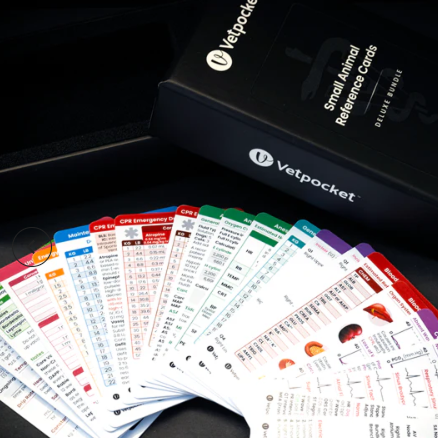
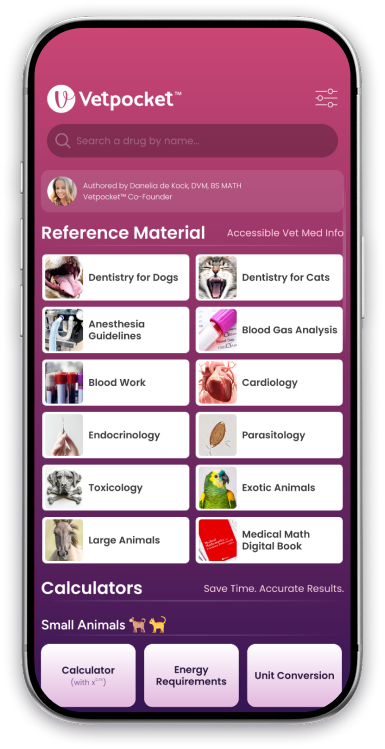
“As the scope of practice expands to include the Veterinary Professional Associate, there will unfortunately be many challenges and confusion for all veterinary professionals involved, particularly at inception. This is where technology, such as our Vetpocket™ app, can become an essential asset, helping build clinical confidence and helping avoid burnout.” said Dr. Danelia de Kock, veterinarian and co-founder of Vetpocket™.
Looking Ahead: Is the VPA the Future of All 50 States?
While Colorado is the first, many industry analysts believe other states will follow. The VPA program at CSU will serve as the litmus test for the rest of the country, and determine whether or not this model will go national.